
AGRICULTURAL INSURANCE IN QUEBEC
Farm protection tailored to your operation
Agriculture is changing rapidly, and so are we. The brokers at our specialized partner firms understand the unique challenges of Quebec producers: unpredictable climate, expensive machinery, valuable livestock and essential buildings.
Quick Response Agricultural insurance in Quebec covers farm buildings, crops, livestock, farm machinery and operator civil liability. The 2026 indicative annual premiums vary considerably depending on the type of operation (dairy, vegetable farm, cereal), area and sales. Free specialized quote.
Agricultural insurance in Quebec: protect your operation in 2026
Is my crop profitable this season?
Net margin, cost per tonne, yield threshold — for corn, soybeans, wheat, hay, canola. 2026 MAPAQ/CRAAQ data.
Agricultural insurance in Quebec covers farm-specific risks: building fires, machinery breakdown, animal mortality, product contamination and civil liability. Quebec has more than 28,000 farms registered according to the Agricultural Census, generating more than $10 billion in annual revenues. The cost of farm insurance ranges from $1,500 to $8,000 per year depending on the size of the operation, the types of production and the buildings to be covered. The MAPAQ and the AMF recommend that producers work with a certified broker specializing in agriculture to adapt coverage to each farm. It should be noted that private insurance is complementary to the public programs of the Financière agricole du Québec (FADQ), which covers crop losses and income stabilization.
IN BRIEF
Agricultural insurance: complete coverage of the farm
Farm insurance includes under an integrated farm policy : producer’s house (residence), livestock and storage buildings, machinery, animals, crops, operating liability. Specialized program via Promutuel, La Capitale, Beneva.
Our strength: Assur360 has access to the 4 main agricultural insurers in Quebec and compares your current program to identify any gaps or possible discounts. Free audit of your existing policy.
The 6 Essential Covers for Your Farm
Farm buildings
Barns, barns, silos, sheds and workshops — covered against fire, storms, snow collapse, lightning and vandalism.
Agricultural equipment
Tractors, combines, seed drills, irrigation systems — protected against collision, fire, theft and vandalism.
Livestock
Dairy cows, beef cattle, hogs, poultry — insured against fires, storms, poisonings and covered diseases.
Crops and Inputs
Grain, hay, silage, fertilizer, seed and fuel stored — covered against fire, theft and accidental contamination.
Civil liability
Protection against third-party lawsuits for injury or damage. Pollution liability option for slurry spills and agritourism liability for visitors.
Milk contamination
Specialized coverage for dairy farmers: accidental antibiotics in the tank, destruction costs and loss of income.
How much does agricultural insurance cost depending on the type of farm?
Agricultural insurance premiums vary considerably depending on the nature and size of the operation. Here are the ranges observed by the brokers of our specialized partner firms in Quebec:
Source: ranges observed by the Assur360 broker network, 2025-2026. Actual premiums vary depending on location, building value, number of animals, deductible selected, and your claims history.
What does agricultural equipment insurance cover?
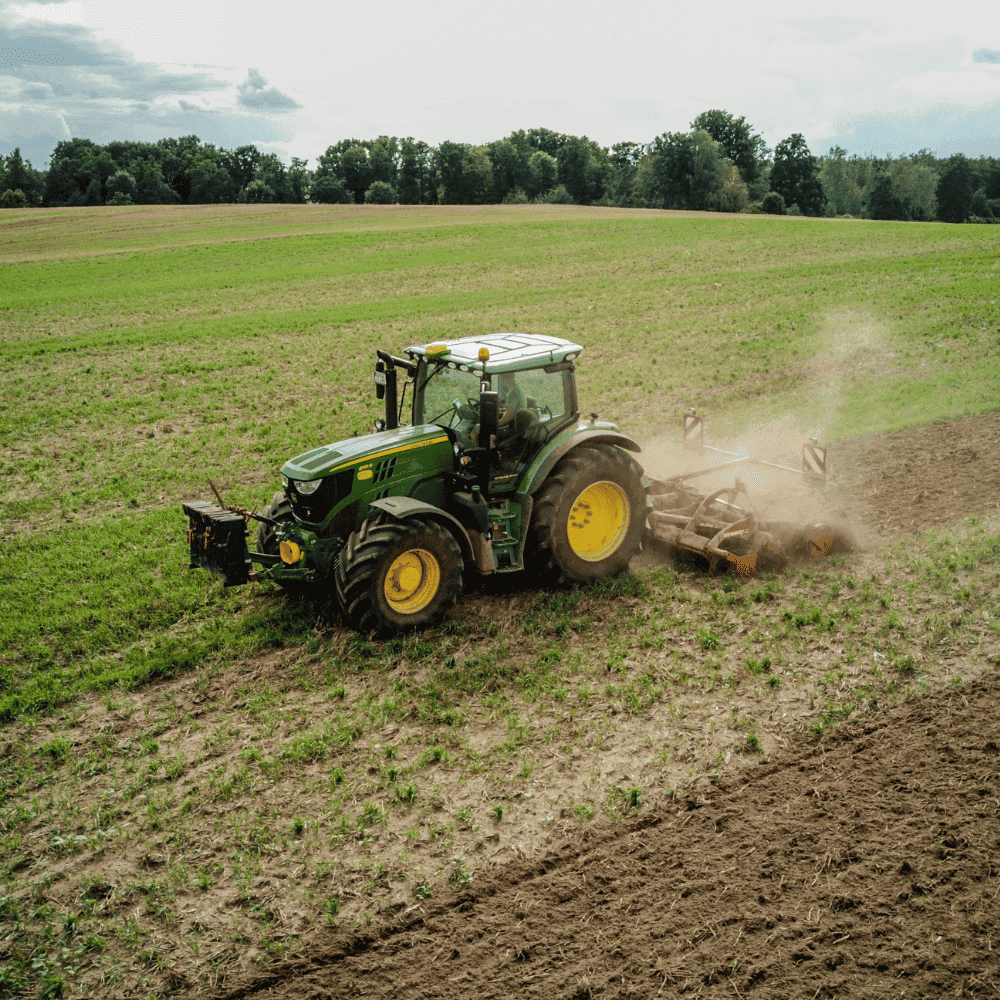
Your equipment is at the heart of your production. Farm equipment insurance protects your machinery — tractors, combines, planters, irrigation systems — against collision, fire, theft and vandalism. Mechanical wear and tear is generally not covered, but extended warranty options are available from some insurers.
For operations that rent or borrow equipment in season, temporary coverage can be added. A specialized broker can assess the replacement value of each piece of equipment and ensure that your coverage reflects the true value of your fleet.
How to protect your crops and inputs?
Your production represents a significant investment. Farm products and inputs insurance covers your stored crops (grain, hay, silage), essential inputs (fertilizers, seeds, pesticides, fuel), processed products (cheeses, maple products, canned goods) and your greenhouses and specialty crops. To protect harvest income, the FADQ offers complementary programs.
How to insure your herd in Quebec?
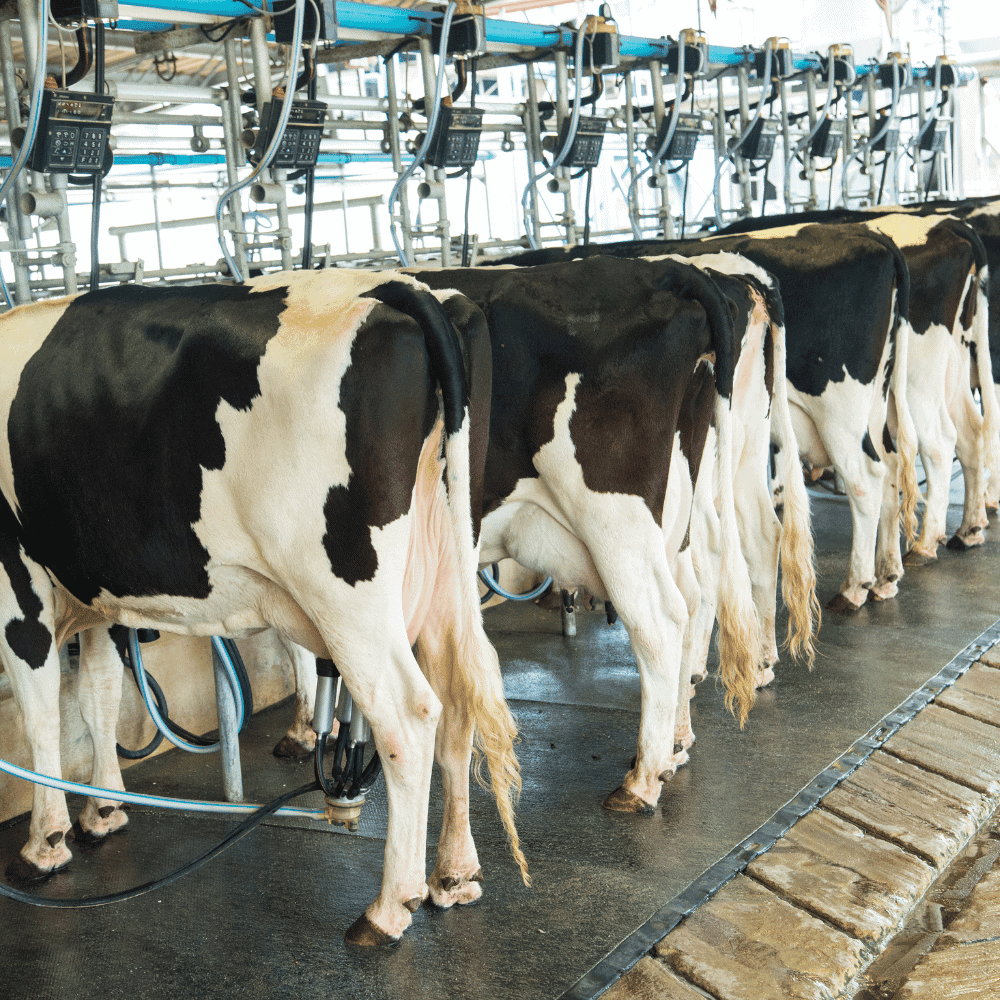
Farm animal insurance protects your livestock against the risk of accidents: barn fires, storms, accidental poisonings, covered illnesses and collisions. Whether you raise dairy cows, beef cattle, hogs or poultry, coverage can be tailored to the value of your animals.
Dairy farmers should pay special attention to milk contamination coverage, which protects against financial loss in the event of accidental contamination of the tank. The costs of destruction, clean-up, and loss of revenue during production shutdown can be considerable.
What does farm building insurance cover?
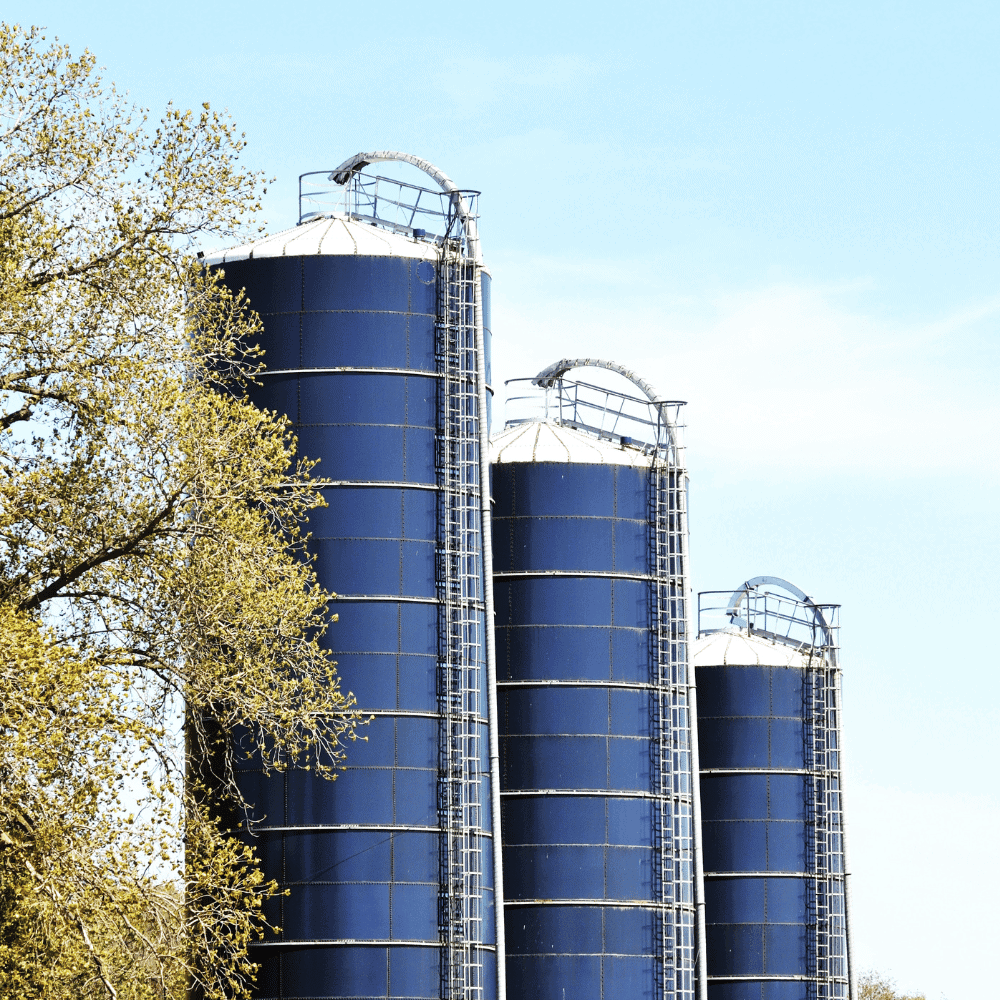
Your buildings are essential to your production. The insurance covers the reconstruction or repair of your installations in the event of a disaster: fire, storm, collapse due to the weight of snow, lightning and vandalism. Covered buildings include barns, silos, barns, cold stores, mechanical workshops and machinery sheds. For farms with automated milking facilities or controlled ventilation systems, machinery breakdown coverage can be added.
⚠️ Please note: your home insurance does NOT cover the farm
Standard home insurance does not cover even small-scale farming activities. As soon as you have livestock, farm machinery or sell farm products, you need a specific farm or farm policy. Farm insurance combines home and farm coverage into one policy — often more cost-effective than two separate policies.
Farm insurance vs farmhouse: what is the difference?
The 5 factors that influence your agricultural premium
Value of buildings and equipment
The replacement value of your barns, silos, tractors and equipment is the main factor. The higher the value, the higher the premium.
Type of production
Dairy, pig, grain, vegetable — each type has a different risk profile. Livestock farming with heated buildings is more expensive to insure.
Location of the farm
The distance from the fire department, the risk zone (flood, landslide) and the region (Montérégie, Beauce, Bas-Saint-Laurent) influence the premium.
Claims history
A claims-free history gives you access to better rates. Recent claims (less than 5 years old) increase the premium.
Selected Franchise
A higher deductible ($2,500 vs. $1,000) significantly reduces the annual premium. Your broker helps you find the right balance.
Why use a broker specializing in agriculture?
Agricultural insurance is a specialized field. Unlike car or home insurance, firm policies are complex and vary greatly from one insurer to another. An AMF-certified broker specializing in agriculture offers you several concrete advantages:
Customized evaluation
Your broker evaluates each component — buildings, equipment, livestock, products — to ensure that nothing is underinsured or forgotten.
Access to specialist insurers
Not all insurers offer farm insurance. Your broker has access to those who understand the environment and offer tailored coverage.
Disaster support
In the event of a major loss, your broker advocates for you and expedites the claims process — crucial when your production is at stake.
Agricultural insurance in your region of Quebec
The brokers of our specialized partner firms serve agricultural producers in all regions of Quebec. Whether you are in Montérégie, Beauce, Centre-du-Québec, Bas-Saint-Laurent, Chaudière-Appalaches, Saguenay–Lac-Saint-Jean, Lanaudière or Estrie, we find the coverage adapted to your regional reality. Premiums vary according to your location: the distance from the fire department, the risk of flooding and the risk profile of your area have a direct impact on your premium.
Why trust Assur360?
Member of the Insurance Chamber
Chambre de l’assurance du Québec
10+ insurers
Comparison of the best offers on the market
Local service
Quebec brokers who know your agricultural reality
Protect your operation now
Whether you are a dairy farmer, grain farmer, rancher or farmhouse owner, the brokers of our specialized partner firms will find the coverage adapted to your reality.
Free, no-obligation service — AMF-certified brokers